Myeloma
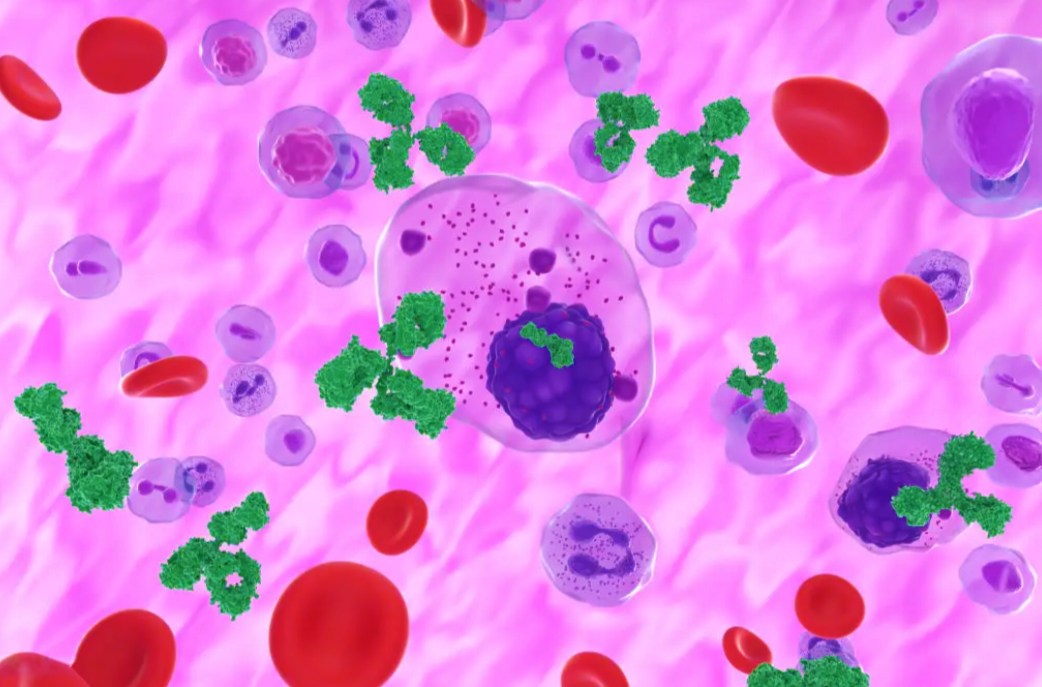
Myeloma, also called multiple myeloma, is cancer of the plasma cells. Plasma cells are white blood cells that produce disease- and infection-fighting antibodies in your body. Myeloma cells produce an overabundance of antibodies that do not provide protection against infection. This is different from healthy plasma cells that contribute different antibodies to your immune system to fight infection. The multiplication of myeloma cells also interferes with the normal production and function of red and white blood cells. An abnormally high amount of these dysfunctional antibodies in the bloodstream can cause kidney damage. Additionally, the myeloma cells commonly produce substances that cause bone destruction. This leads to high calcium levels, bone pain, and/or fractures.
Myeloma cells are produced in the bone marrow, the soft tissue inside your bones. Sometimes myeloma cells may travel through your blood stream and collect in other bones in your body. It’s often called “multiple myeloma” because it can occur at many sites in the bone marrow. These myeloma cells produce an abnormal antibody called monoclonal (M) protein. Not only does it have no useful immune function, but also it can damage the kidneys and other organs. Elevated M protein in the blood or urine is often used to diagnose the disease.
Am I at Risk?
Signs and symptoms of myeloma include the following:
- Hypercalcemia (excessive calcium in the blood)
- Anemia (shortage or reduced function of red blood cells)
- Renal damage (kidney failure)
- Osteoporosis, bone pain, bone swelling, or fracture
- High protein levels in the blood and/or urine
- Weight loss
- Recurring infections (due to impaired immune function)
- Fatigue and weakness
Myeloma occurs more frequently in the following populations:
- Males
- People over the age of 65 (average age at diagnosis is 65-70)
- People with Gaucher’s disease
- First degree relatives of patients with myeloma
- African Americans
- Hispanics
- People with obesity
- People exposed to radiation
- People who work in petroleum-related industries
Other Conditions that Increase Your Risk of Myeloma
Some precancerous conditions can also increase a patient’s risk of developing myeloma. These are referred to as precursor diseases, also called monoclonal gammopathy of undetermined significance (MGUS) and smoldering myeloma (SMM). Often these findings are incidental, meaning they are found routinely or by investigating other causes. However, there are no current recommendations to screen for myeloma itself.
How Is Myeloma Diagnosed
Your doctor can diagnose myeloma by spotting fractures, anemia, and/or kidney failure caused by mutated plasma cells. Research is ongoing to identify patients with these precursor diseases early, even before they develop symptoms. For example, some clinical trials are using some of the same drugs in patients with MGUS and SMM that are used in myeloma. To date, these clinical trials are trying to prevent patients from developing symptomatic myeloma. However, most patients will follow up with repeat testing.
If you are experiencing symptoms or are at risk for myeloma, talk with your doctor about detection and treatment. Depending on results of your blood tests and your medical history, you may be referred to a hematologist, a doctor who specializes in blood conditions.
If myeloma is confirmed, your doctor will determine the stage of the cancer. Stage I indicates a less aggressive disease while stage III indicates more aggressive disease that may require more intensive therapy. The stage of the cancer guides treatment decisions.
How Is Myeloma Treated?
Myeloma is a curable cancer. Treatments have improved significantly over the past 20 years — many patients stay in remission and live for many years after diagnosis. There are many treatment options available that slow the growth of the myeloma cells and help ease bone pain, fatigue, and other symptoms associated with the disease. The type of treatment depends on your health and the type and stage of myeloma.
Treatment options include the following:
- Chemotherapy
- Immunomodulators (drugs that target specific areas of the immune system)
- Medications to treat anemia (such as erythropoiesis-stimulating agents)
- Radiation therapy
- Stem cell transplant
- Medicines to improve bone health
- Immunotherapy, such as chimeric antigen receptor (CAR) T-cell therapy and bispecific antibodies
- Medications that prevent complications related to myeloma or myeloma treatments
For some patients, participating in a clinical trial provides access to experimental therapies. If you are diagnosed with lymphoma, talk with your doctor about whether joining a clinical trial is right for you.
Questions to Ask Your Doctor
If you have multiple myeloma, asking questions is a great way to feel prepared and confident about your care. Use the C.A.R.E. guide to help you get started.
Condition and Choices
What stage is my cancer, and how does it affect treatment? What does a typical treatment plan look like for someone in my situation? Are there different treatment paths I can choose from?
Aim and Treatment
What is the goal of my treatment right now? Are there newer treatment options that might work well for me? If one treatment doesn't work, what would we try next?
Risks and Side Effects
How will we know if treatment is working? What side effects are most common, and what can we do about them? What happens if my cancer comes back or stops responding to treatment?
Everyday Impact and Support
How will treatment affect my daily life or ability to work? What support services are available for me and my family? Who should I contact if I have questions or feel unwell between visits?
Where Can I Find More Information?
If you are interested in learning more about blood diseases and disorders, here are a few resources that may be helpful.